
For most people in Plano with a stable prescription and healthy eyes, LASIK in 2026 is one of the highest-return medical procedures they’ll ever pay for. The technology is more precise than ever, the safety record is excellent, and most patients break even on cost within 3 to 5 years compared to glasses and contacts.
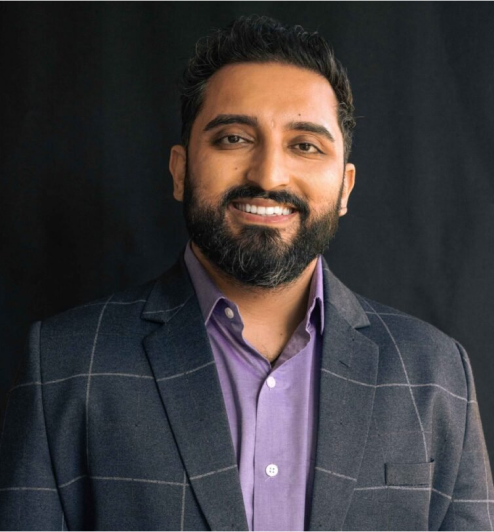
I’m Dr. Shehz. I run Visionary Eye Surgery in Plano, TX, and I get this question maybe ten times a week. Let me give you the answer I give my patients in Dallas-Fort Worth.
What does “worth it” actually mean for LASIK?
“Worth it” usually means three things. Does the vision actually get better. Does it last. Does the math work compared to what you’re already spending. The honest answer in 2026 is yes to all three, with one caveat I’ll get to.
About 96 percent of properly screened LASIK patients in Dallas-Fort Worth see 20/20 or better the day after surgery. Most see better than that. The vision tends to last for decades. And the cost, financed over 24 months, is usually less than the patient’s current contact lens habit.
How much money do you actually save?
I had a patient, probably a 35-year-old engineer in Plano, who tracked his vision spending for me. Contacts at 80 dollars a month. Two pairs of glasses a year at around 600 each. Solution, drops, replacement boxes when one rolled into the carpet. He’d spent over 12,000 dollars on his eyes since college.
His All-Laser LASIK cost him a fraction of that, financed at 0 percent. He paid it off and stopped spending on his eyes. His vision now is better than it ever was in contacts.
What about the risks?
Real, but small, and smaller than they were a decade ago. Severe complications happen in less than 1 percent of properly screened patients. Most “complications” people worry about (dry eye, halos at night, mild fluctuations) are temporary and resolve over the first few months.
The biggest risk is having LASIK when you shouldn’t. Bad candidacy is what makes a bad outcome. A good surgeon screens you out as much as they screen you in. If your consult ends with “you’re a great candidate” before they’ve even mapped your cornea, that’s the wrong consult.
How long does LASIK last?
The corneal reshaping itself is permanent. Your eyes can still age, which means you’ll likely need reading glasses in your 40s and 50s like everyone else. That’s not LASIK wearing off. That’s biology, and no surgery prevents it forever.
Some patients in Dallas-Fort Worth need a small enhancement years later, especially those who started with very high prescriptions. We include enhancement in our pricing for the first year and have predictable rates after.
Is LASIK still a good idea in 2026 with all the new options out there?
Yes, and probably more so than ever. The femtosecond lasers and topography-guided platforms in 2026 are dramatically better than what was available even five years ago. Every year the screening gets sharper, the lasers get faster, and the outcome data gets cleaner.
For patients who aren’t great LASIK candidates, options like EVO ICL, SMILE, and Custom Lens Replacement have filled in the gaps. Refractive surgery as a category has never been better. The question is no longer “should I do something.” It’s “which something fits my eyes.”
Who shouldn’t get LASIK?
People with thin corneas, unstable prescriptions, severe dry eye, certain corneal diseases, or specific autoimmune conditions. Pregnant or nursing women should wait. Patients under 18 should wait, period. People who can’t follow simple post-op instructions should also wait, although that’s a different conversation.
If you fall into one of those groups, LASIK isn’t off the table forever. Just off the table now. Or you might be a better fit for a different procedure entirely. That’s what the consult is for.
What’s the regret rate?
Patient satisfaction with LASIK in 2026 sits in the high 90s. The vast majority say they wish they’d done it sooner. The patients who regret it are usually the ones who weren’t great candidates and got operated on anyway, or who chose a surgeon based on the cheapest billboard rather than skill.
Here’s the turn most people don’t expect. The patients I see who actually regret LASIK are not the ones who had complications. They’re the ones who waited fifteen years to do it. They look back at the time they spent fumbling for glasses, missing school events because contacts were dry, skipping outdoor sports because their lenses fogged up. The math on regret is usually about the years lost, not the surgery taken.
How do I know if it’s worth it for me?
Run your numbers. Add up your last five years of vision spending and double it. That’s roughly what you’ll spend over the next decade if you don’t do LASIK. Compare it to a one-time cost financed at zero percent. If the math works and your eyes are good candidates, you have your answer.
Book a free consult at Visionary Eye in Plano. We’ll measure, screen, and give you straight answers. If LASIK isn’t right for your eyes, I’ll tell you, and we’ll talk through what is.
Keep Reading

Visionary Eye Surgery | Plano, TX