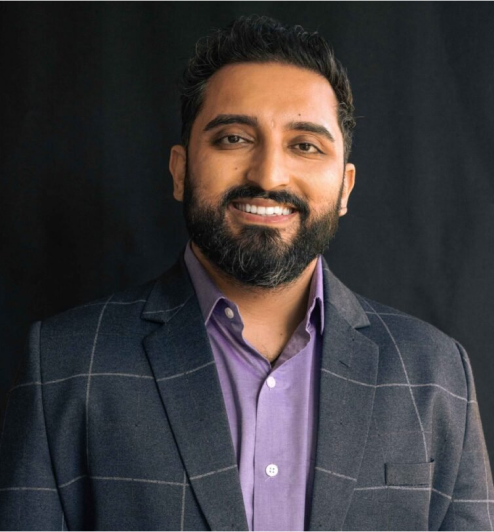

Dallas athletes are choosing LASIK and SMILE because contacts and glasses quietly sabotage performance, and modern vision correction takes that variable off the field. No fogged lenses, no contact drying out in the fourth quarter, no glasses flying off on a fast break. At Visionary Eye Surgery in Plano, I see weekend warriors and serious competitors for the same reason: they’re tired of their gear deciding how well they see.
Why do athletes ditch contacts and glasses?
Because the equipment fails at the worst possible moment, and athletes notice.
A contact lens dries out and your depth perception goes soft right as the pitch comes in. Sweat fogs your glasses on mile four. Saltwater or pool chemicals turn a swim into a guessing game. None of that shows up in a commercial, but every athlete in North Texas has lived at least one version of it.
Vision correction removes the middleman. Your eyes are just your eyes again, working the same in the first minute and the last.
Is SMILE better than LASIK for contact sports?
For a lot of collision athletes, I lean toward SMILE, and the reason is the flap.
LASIK creates a corneal flap that heals strong but technically exists. SMILE works through a tiny incision with no full flap, so there’s nothing to worry about dislodging if you take a finger to the eye or a shoulder to the face.
So for the boxer, the wrestler, the rec-league forward who plays like it’s the playoffs, SMILE’s lack of a flap is a genuine selling point. That’s the turn most people miss: the best procedure for an athlete often isn’t about sharper vision, it’s about which one shrugs off contact.
What about LASIK for athletes?
LASIK is still a phenomenal choice, especially for athletes with astigmatism or a wider prescription range where it simply treats more.
Recovery is fast, usually a day or two before you’re seeing clearly, and I use the all-laser method for the precision athletes care about. Plenty of golfers, tennis players, and runners across Dallas-Fort Worth are LASIK patients and would do it again tomorrow.
The choice between the two comes down to your eyes and your sport, not to which acronym sounds cooler.
How long before I can train again?
Sooner than you’d guess, but not as soon as you’d like, and that gap is where people get themselves in trouble.
Light activity comes back within days. But sweat dripping into a healing eye, chlorinated pools, dusty trails, and contact drills need a real buffer, often a couple of weeks depending on the procedure. I’ll give you the timeline specific to your eyes and your sport.
The athlete who rushes back and gets pool water in a fresh eye learns the hard way that healing isn’t a suggestion. Plan the surgery for your off-season, or at least a quiet stretch, and you’ll thank yourself.
Which DFW athletes is this actually for?
Probably the Plano dad who plays Sunday soccer and is done taping his glasses to his head. Probably the high school swimmer whose prescription goggles cost more than the meet entry. Probably the trail runner who’s tired of grit getting under a contact in the North Texas wind.
You don’t need a pro contract for this to make sense. You just need to be someone whose vision is part of how you compete, which, if you’ve read this far, is probably you.
How do I find out what fits my sport?
We measure your eyes and we talk about how you actually train, because the right answer changes if you box versus if you golf.
At a consultation in Plano I’ll map your cornea, check your prescription, and match the procedure to the way you move. Sometimes that’s LASIK, sometimes SMILE, and once in a while it’s EVO ICL if your prescription is high.
Your gear shouldn’t get a vote in how you play. Take it off the field, and let your eyes do the job they were built for.
What does it cost, and can I finance it?
Less than most athletes expect once you add up what they already spend.
Think about the running total of contacts, solution, backup glasses, prescription goggles, and sunglasses over a decade of training in North Texas. Vision correction is a one-time number that often comes out ahead of that slow bleed, and we lay out the real figure on our pricing page instead of burying it.
Financing makes it manageable month to month, so the off-season timing matters more than the price tag for most of my Dallas-Fort Worth patients. You plan it like any other piece of training, and then you stop thinking about your eyes and get back to your sport.
Keep Reading
SMILE Eye Surgery in Plano
All-Laser LASIK in Plano
What Our Patients Say
More from the Visionary Eye Blog

Visionary Eye Surgery | Plano, TX