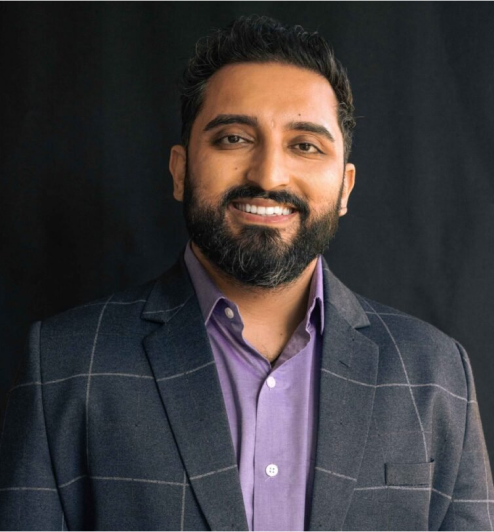

Yes. For most people, LASIK is worth it in 2026, both financially and in quality of life. The technology is more precise than ever, the safety profile is exceptional after three decades and over 40 million procedures worldwide, and the long-term cost savings over contacts and glasses are real. I’m Dr. Shehz at Visionary Eye Surgery in Plano, TX, and I’ll break down exactly why.
What Does LASIK Actually Cost in Dallas-Fort Worth Right Now?
Let’s talk numbers because I know that’s what brought you here. In the DFW area, LASIK typically costs between $2,000 and $3,500 per eye depending on the technology used, the surgeon’s experience, and what’s included in the price.
At Visionary Eye Surgery, our pricing is transparent. No hidden fees. No surprise charges six weeks later. The consultation, the procedure, and the post-operative visits are all part of what you pay for.
Some places will advertise $299 per eye. Run. When something sounds that cheap in surgery, it means they’re cutting corners somewhere you can’t see. Probably with older technology, less experienced surgeons, or a bait-and-switch once you’re in the door.
How Does LASIK Compare to a Lifetime of Contacts?
The average contact lens wearer spends about $500 a year when you factor in lenses, solution, cases, and the occasional emergency pair of backup glasses. Over 30 years, that’s $15,000 to $30,000 depending on your prescription and brand.
LASIK for both eyes in Plano runs about $4,000 to $7,000 total. That means most patients break even within 8 to 10 years. After that, every year is pure savings.
And that doesn’t account for the non-financial costs. The mornings fumbling for glasses. The contacts that dry out on a flight. The eye infections from sleeping in lenses you swore you’d take out. The allergies that make contact wear miserable every spring in North Texas. There’s a reason my patients in Dallas-Fort Worth tell me their only regret is not doing it sooner.
Is the Technology Better in 2026 Than It Used to Be?
Dramatically. I started doing refractive surgery when the equipment was good. Now it’s borderline extraordinary.
In 2026, we use topography-guided All-Laser LASIK with systems like Contoura Vision that map your cornea at thousands of unique points. The treatment isn’t just correcting your prescription. It’s correcting the microscopic irregularities that make your specific cornea different from everyone else’s.
The result is sharper vision, better contrast sensitivity, and fewer issues with halos and glare at night. That matters when you’re driving on the Dallas North Tollway at 10 PM.
What Are the Real Risks I Should Know About?
I’d rather you hear this from me than from a Reddit thread at 2 AM.
Dry eye is the most common side effect after LASIK. For most patients it’s temporary, lasting a few weeks to a few months. We manage it with drops and sometimes punctal plugs. Rarely, it persists longer. I screen every patient’s tear film before surgery specifically to minimize this risk.
Halos and glare at night can happen, especially in the first few months. With modern wavefront-optimized and topography-guided treatments in 2026, this is significantly less common than it was even five years ago.
Overcorrection and undercorrection are possible but uncommon. That’s what our patient guarantee covers. If you need a touch-up, we take care of it.
Serious complications like infection or significant vision loss are exceedingly rare. We’re talking fractions of a percent. Fewer than 1% of LASIK patients experience any meaningful complication.
Who Probably Shouldn’t Get LASIK?
I turn people away from LASIK sometimes. That’s part of the job. If your corneas are too thin, if your prescription is still changing, if you have certain autoimmune conditions, or if your eyes show signs of keratoconus, LASIK isn’t the right call.
But that doesn’t mean you’re out of options. I might recommend SMILE, EVO ICL, or ASA/PRK instead. At Visionary Eye Surgery, I offer every major vision correction procedure so we can match the right solution to your eyes, not the other way around.
What Do Your Patients in Plano Actually Say?
I could tell you about satisfaction rates and cite studies. And they’re great. Over 96% of LASIK patients say they’d do it again.
But what sticks with me more is the patient who probably cried in my office the day after surgery because she could see her kids’ faces clearly from across the room without reaching for the nightstand. Or the guy who said he went for a run that morning and realized he wasn’t adjusting glasses that weren’t there anymore.
Those are the moments that remind me why I do this. The technology matters. The outcomes matter. But the way it changes how people move through their day, that’s the real answer to “is it worth it.”
If you’re wondering whether LASIK makes sense for you in 2026, come see me at Visionary Eye Surgery in Plano. We’ll run the tests, look at your eyes, and I’ll give you a straight answer. No pressure. No sales pitch. Just the truth about what your eyes need.
Keep Reading
- All-Laser LASIK at Visionary Eye Surgery
- Patient Testimonials
- Pricing and Financing Options
- More from the Visionary Eye Blog

Visionary Eye Surgery | Plano, TX